Visual Clarity
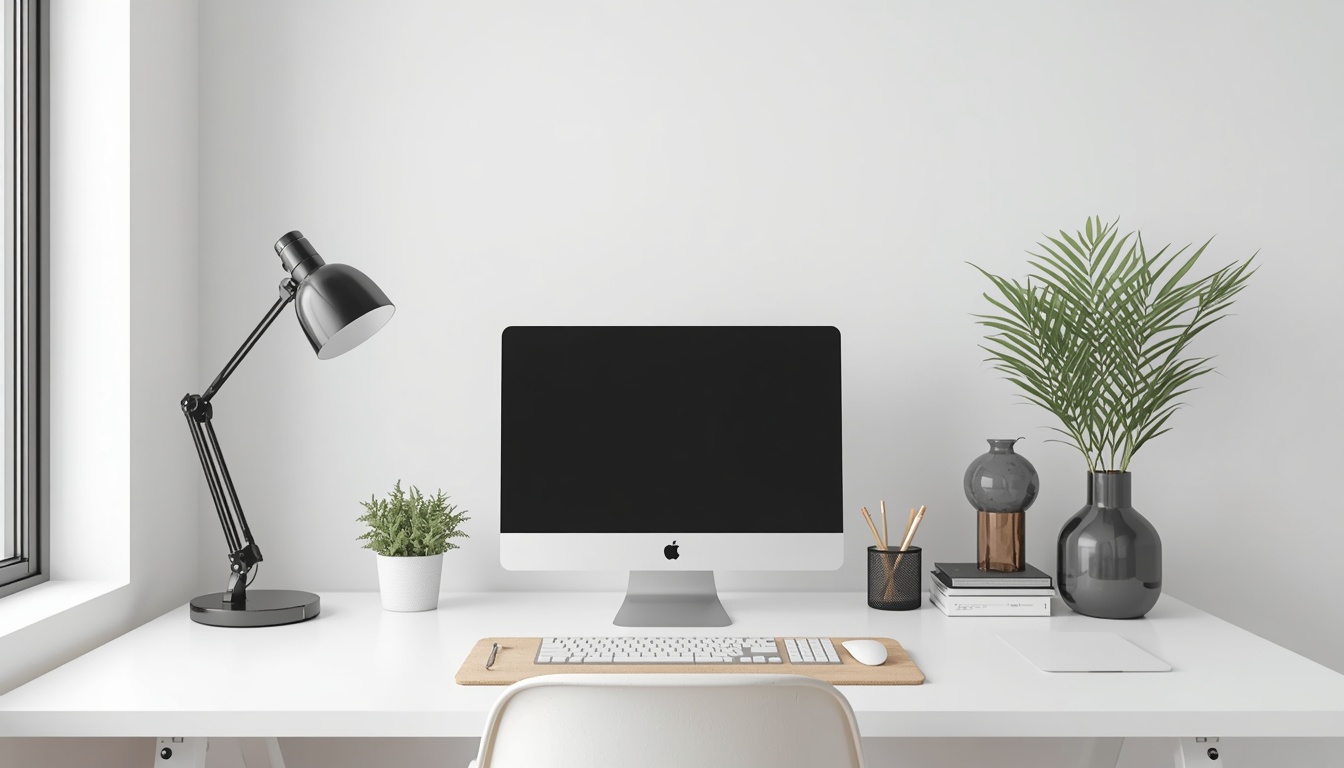
Surfaces stay clean. Only active projects remain visible. Everything else is filed, labeled, or stored out of the line of sight.
The Naturwristwashin framework blends ergonomics, visual calm, and habit design into every consultation we deliver across Australia.

Before touching a single drawer, we document how you move through your workday. This observation phase reveals which items belong on your desk, which belong in storage, and which can leave entirely.
Surfaces stay clean. Only active projects remain visible. Everything else is filed, labeled, or stored out of the line of sight.
Frequently used tools sit within arm's reach. Occasional items move to secondary storage. Archives go to deep storage.
A unified labeling language means anyone on your team can find and return items without asking where things belong.
Weekly five-minute resets and monthly reviews keep systems from sliding back into clutter over time.
We favor durable organizers and repurposed containers over disposable solutions that create more waste.
Our zone maps divide your workspace into active, reference, supply, and archive areas. Each zone has clear boundaries and rules for what enters and exits.
Clients at naturwristwashin.world receive a printed or digital zone diagram they can pin beside their desk as a daily reference.
Current projects, open notebooks, and the tools you touch every hour. Kept minimal and reset at end of day.
Manuals, binders, and quick-lookup materials within one step of your chair but off the main surface.
Archived files, seasonal items, and backup supplies stored in labeled containers on shelves or in cabinets.
Visual clutter competes for attention and can increase cognitive load. Our method draws on widely discussed environmental psychology principles to reduce unnecessary stimuli while keeping essential tools accessible.
Limit visible items to those directly tied to your current task list.
Fixed homes for recurring items eliminate the mental energy spent searching.
A brief end-of-day routine signals your brain that work is complete and the space is ready for tomorrow.
Not in Adelaide? Naturwristwashin offers video-guided consultations where we walk you through sorting, zoning, and setup in real time using your phone camera.
Remote sessions follow the same spatial method with adapted tools for virtual collaboration.
Book a consultation and see how the Naturwristwashin spatial framework transforms your daily work environment.
View Packages